9 Sep 2026
UK Treasury Explores Hike in Machine Games Duty Ahead of Autumn Budget

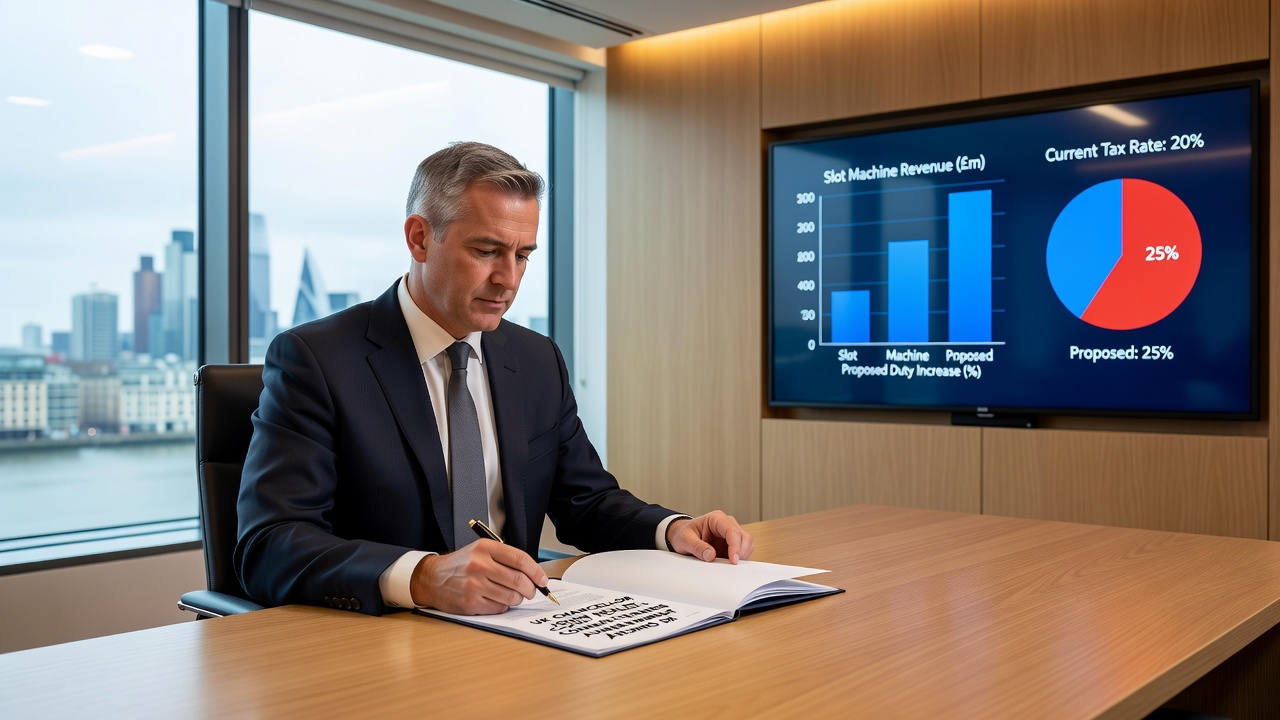
Reports from September 2026 indicate that Chancellor John Healey is examining an increase to Machine Games Duty as part of preparations for the government's budget scheduled for October 28, and the Treasury seeks additional revenue sources while public finances remain constrained. The potential adjustment focuses on Category B machines, where the current 20 percent rate could rise to 40 percent according to details shared in recent coverage. This development follows proposals previously put forward by the Social Market Foundation think tank, which outlined options for adjusting duties on gaming equipment to support government income.
Details of the Proposed Tax Adjustment
The Machine Games Duty applies directly to slot machines and similar gaming devices found in betting shops, arcades, and other licensed premises across the UK, and any rate change would affect operators who pay this levy on their takings. Category B machines represent a significant portion of the equipment in use, and doubling the duty rate from 20 percent to 40 percent would represent a substantial shift in the tax burden placed on those devices. Observers note that the timing aligns with broader efforts to address fiscal pressures, while the Treasury continues to review multiple avenues for balancing the books ahead of the October deadline.
Background From Think Tank Recommendations
The Social Market Foundation had earlier advanced suggestions for raising duties on gaming machines, and those ideas appear to have informed current Treasury considerations according to the available reports. Proposals outlined in that work examined how adjustments to machine taxation could generate additional funds without immediately altering player behavior or overall industry structure. Data referenced in those recommendations highlighted the contribution of machine gaming to the wider gambling sector, and the think tank presented calculations showing potential revenue gains from a higher duty rate on specific machine categories. Those who've reviewed the foundation's analysis point out that the suggestions focused on Category B machines in particular because of their prevalence in high street locations.
Industry Response and Potential Consequences
The Betting and Gaming Council has stated its opposition to any increase in Machine Games Duty, and representatives have warned that higher rates could lead to accelerated closures of betting shops along with associated job losses. Council statements emphasize that elevated taxation might push activity toward unregulated operators, and they argue this shift would reduce oversight while diminishing legitimate tax collection over time. Figures from industry monitoring show that betting shop numbers have already declined in recent years, and further duty rises are presented as a factor that could speed up that trend according to the council's position.
Operators maintain that the current duty structure already accounts for a meaningful share of machine revenue, and additional increases would require adjustments to business models that include staffing levels and venue operations. Those monitoring the sector observe that smaller locations in particular face challenges when fixed costs rise without corresponding growth in player numbers. The council has also highlighted data indicating that illegal gambling markets expand when regulated options become less economically viable for providers.
Treasury Position and Fiscal Context
A Treasury spokesperson declined to comment on specific rumors surrounding the duty rate, and official statements continue to focus on the overall budget preparation process rather than individual tax measures. Public finances remain under pressure from multiple spending commitments, and the government has signaled that revenue measures will form part of the October 28 package. Reports indicate that Machine Games Duty forms one element within a wider review of gambling-related taxation, although no final decisions have been confirmed at this stage.
Historical patterns show that duty rates on gaming machines have been adjusted periodically in response to fiscal needs, and the current examination follows that established approach. Revenue collected through Machine Games Duty contributes to general government funds, and changes to the rate directly influence the amounts received from machine operators who file returns based on their takings. The Treasury's consideration occurs against a backdrop where multiple sectors face similar scrutiny for potential contribution increases.
Conclusion
The situation remains fluid as the October 28 budget date approaches, and further details on any Machine Games Duty adjustment will emerge only when the full fiscal package is presented. Stakeholders across the regulated gambling industry continue to monitor developments, while the Treasury balances revenue requirements with the operational realities faced by licensed operators. Reports from September 2026 provide the latest available information on these considerations, and updates will likely follow as the budget process advances.