21 Oct 2026
UK Casino Operators Flag Risks from Proposed Machine Games Duty Hike Ahead of October Budget

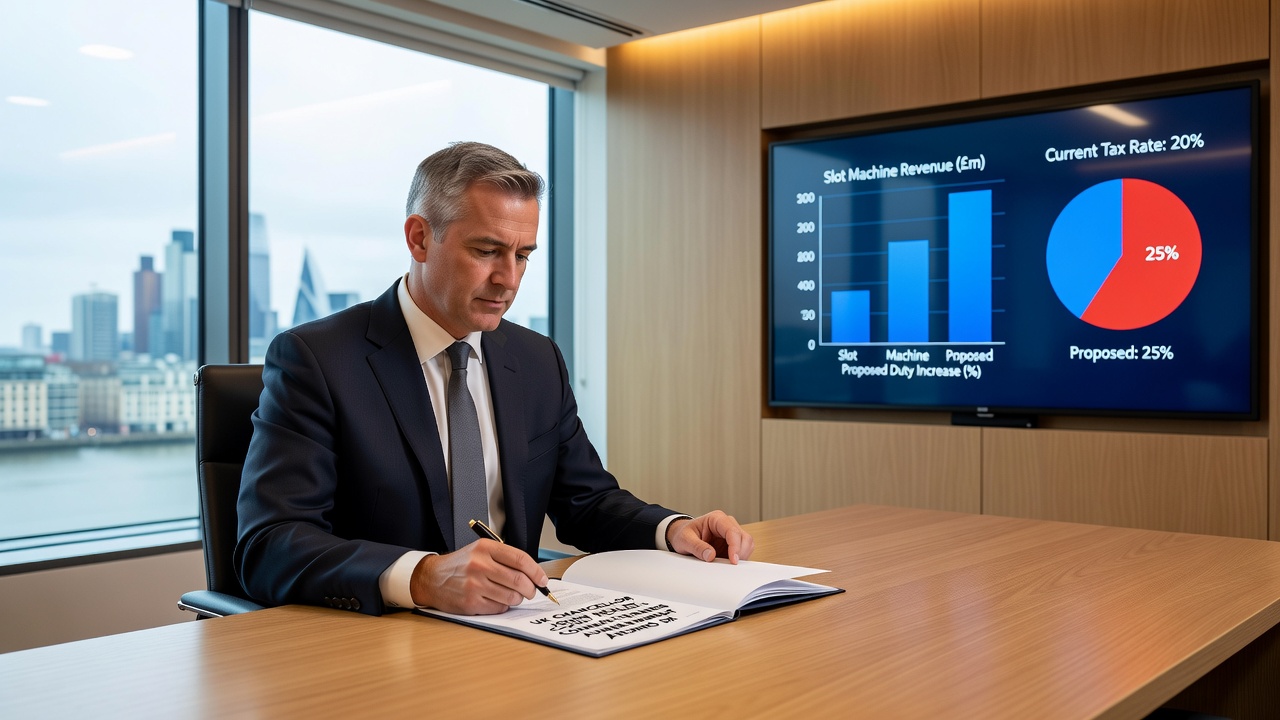
Operators across the UK land-based casino sector, including Genting Casinos and Rank Group, have issued warnings about a possible increase in Machine Games Duty ahead of the autumn Budget scheduled for 28 October, and those warnings center on the prospect of the rate moving from its current 20 percent level to 40 percent. This adjustment would represent a doubling of the duty applied to gaming machines, and sector representatives have stated that such a change would threaten planned investment, prompt further venue closures, and place thousands of jobs in jeopardy. The statements arrive against a backdrop of recent site shutdowns and follow the land-based modernisation reforms introduced in 2025 that permitted casinos to install additional slot machines per location.
Details of the Proposed Duty Change and Industry Response
The Machine Games Duty applies directly to revenues generated from gaming machines in casinos and other venues, and any rise to 40 percent would increase the tax burden on operators at a time when many are still adjusting to the expanded machine allowances granted under the 2025 reforms. Genting Casinos and Rank Group have both highlighted that tax stability remains essential if companies are to proceed with investment programmes designed to support the broader growth agenda for the sector. Observers note that the timing of these warnings coincides with preparations for the 28 October Budget announcement, which traditionally sets fiscal policy for the coming year and often includes adjustments to gambling-related levies.
Rank Group has already closed three venues during the third quarter of 2026, specifically sites in Swansea, Reading, and Sunderland, and company statements link these decisions in part to ongoing cost pressures. The closures provide a concrete example of the operational challenges facing operators, and further duty increases could accelerate similar actions across the industry. Data from company filings show that machine revenues form a significant portion of overall earnings for many casinos, which means any doubling of the applicable duty would directly affect profitability calculations and future expansion plans.
Context from 2025 Modernisation Reforms
The 2025 land-based modernisation reforms allowed casinos to increase the number of slot machines per venue, a change intended to help operators compete more effectively and attract additional customers. Those reforms created expectations of renewed investment in facilities and technology, yet the proposed Machine Games Duty adjustment now raises questions about whether those investments can proceed as planned. Operators have pointed out that the combination of higher machine allowances and stable taxation was meant to drive growth, whereas an abrupt duty increase could offset any revenue gains from the additional machines and lead to reduced capital expenditure instead.
Industry leaders have emphasised the need for predictable tax treatment so that multi-year investment strategies can remain viable. Without that predictability, companies face uncertainty when allocating resources to venue upgrades, staff training, and new game installations. The warnings from Genting Casinos and Rank Group reflect a broader sector view that sudden tax changes disrupt planning cycles and can result in deferred projects or outright cancellations.
Potential Impacts on Investment, Closures, and Employment
According to the statements released by the operators, a move to 40 percent Machine Games Duty would place direct pressure on venue economics and could force additional closures beyond the three Rank Group sites already shut in Q3 2026. Job losses would follow from reduced operations, and the scale of employment risk runs into the thousands across the wider casino network. Investment in new locations or refurbishments would likely slow because higher duty rates reduce the internal rate of return on such projects, making it harder to secure board approval or external financing.
Those who have studied the sector's cost structure know that gaming machine duty represents one of the largest variable expenses for casino operators, and doubling that rate would require immediate adjustments to pricing, staffing levels, and marketing budgets. The 28 October Budget therefore carries particular weight this year because decisions made then will shape the operating environment for the remainder of the decade. Sector representatives have called for continued dialogue with Treasury officials to ensure that any duty adjustments take account of recent closures and the investments already committed under the 2025 modernisation framework.
Conclusion
The warnings issued by Genting Casinos and Rank Group ahead of the 28 October Budget highlight the direct link between Machine Games Duty levels and the sector's ability to sustain investment and employment. Recent venue closures in Swansea, Reading, and Sunderland illustrate the consequences of existing cost pressures, while the 2025 reforms on machine numbers were expected to support expansion rather than trigger contraction. Tax stability has been presented as a prerequisite for the growth agenda, and the coming Budget decision will determine whether operators can maintain current staffing and development plans or must scale back further. The facts set out by the companies provide a clear picture of the stakes involved for the UK land-based casino industry.